Starting a Home Renovation in PA feels exciting, until you hear the word “inspection.” Take a breath. Inspections are there to protect your home’s safety, help your project pass code, and stop expensive rework before it gets buried behind drywall.
In Pennsylvania, most remodel inspections follow the Pennsylvania Uniform Construction Code (UCC). Still, the exact steps can vary by township, borough, city, or places like Philadelphia, so your local building office always gets the final say.
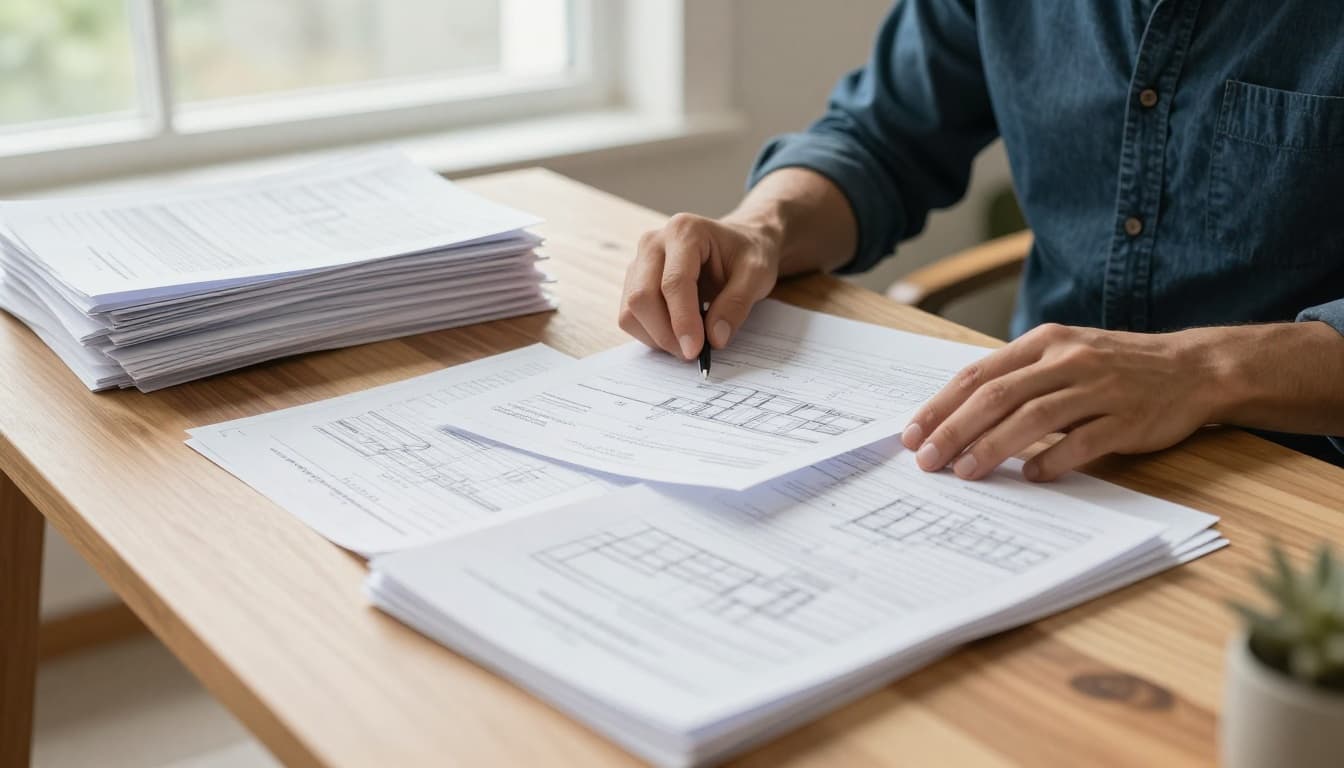
Reviewing permit paperwork and plans before a remodel inspection, created with AI.
Most remodels that touch structure or safety need a UCC building permit. That usually includes structural changes, electrical, plumbing, HVAC, additions, roof work, and some window or door changes that affect egress or openings. Purely cosmetic updates, like paint or cabinets in the same footprint, often don’t.
Many areas also require zoning approval before, or along with, the building permit. Because rules are local, confirm early with your municipality’s code or zoning office.
Homeowners typically submit a scope of work, contractor info, project cost, plans or sketches, and site details. Fees often cover plan review plus the inspections you’ll schedule during the job.
Plan review for a residential permit often lands around 15 business days, but it can take longer in busy offices. Build that wait into your timeline so your contractor doesn’t lose momentum.
 Photo by RDNE Stock project
After the permit is approved, you (or your contractor) schedules inspections at set milestones. Think of it like checkpoints on a road trip, you don’t want to miss one and backtrack later.
Rough-in inspections happen before anything gets covered. That means framing, wiring, plumbing, and ducts must stay visible. The big rule is simple: don’t drywall or close walls until the work passes.
Many municipalities want scheduling by the prior business day, and after-hours inspections may need extra notice and fees. At the end, a final inspection confirms the home is safe and the work matches the permit. If you created new living space, passing final may lead to a Certificate of Occupancy.
If you’re unsure when to call for an inspection, call before you cover work. It’s the cheapest phone call you’ll make.
Your local code office, or an approved third-party agency, performs inspections under the PA UCC. Inspectors often start with safe access (clear paths, lighting, stairs) and then compare what’s built to the approved plans.
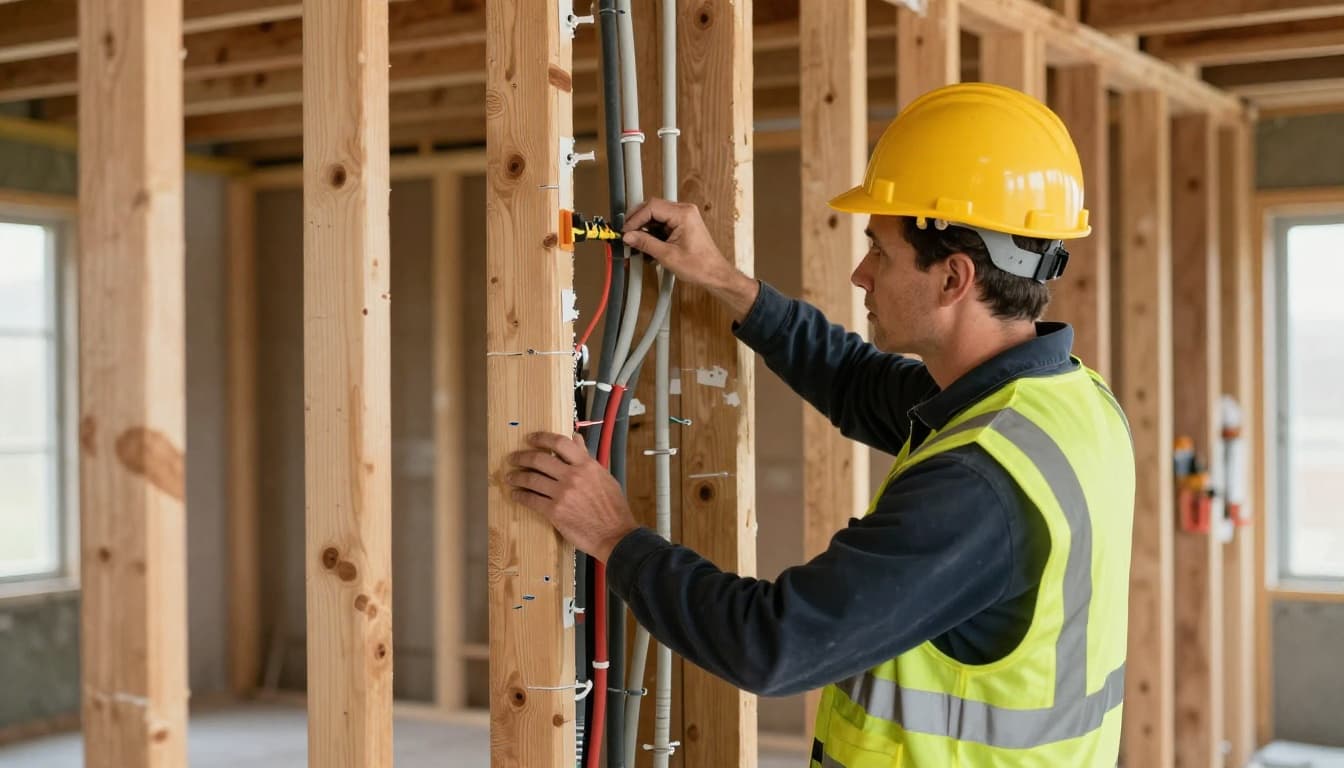
An inspector reviewing rough framing and rough-ins before walls are closed, created with AI.
Inside the walls, inspectors usually review structural items (footings, framing, beams, fire-blocking, egress), electrical safety (panel work, wire sizing, grounding, GFCI and AFCI where required), plumbing (drains, vents, water lines), and mechanical/HVAC (exhaust vents, combustion air, ducting). Energy details matter too, including insulation, air sealing, and vapor retarder placement. Some projects also need supporting energy documents (such as COMcheck when used).
Common fail points are predictable:
Fix the issues, then schedule a re-inspection. Expect a small delay, and sometimes a re-inspection fee.
Pennsylvania moved to updated ICC code editions starting January 1, 2026 (the 2021 I-Codes, with PA amendments). Energy and air leakage details may get more attention, along with insulation and vapor retarder rules. Contract and permit dates can affect which rules apply, so confirm with your local office.
A remodel inspection isn’t a gotcha, it’s a safety check that keeps your Home Renovation in PA on track. To make inspection day easier:
Attend the inspection if you can. When something feels unclear, call your local building department and get an answer before you build.